A Midwife’s Gentle Guide to Early Pregnancy: Eating Well & Managing Nausea



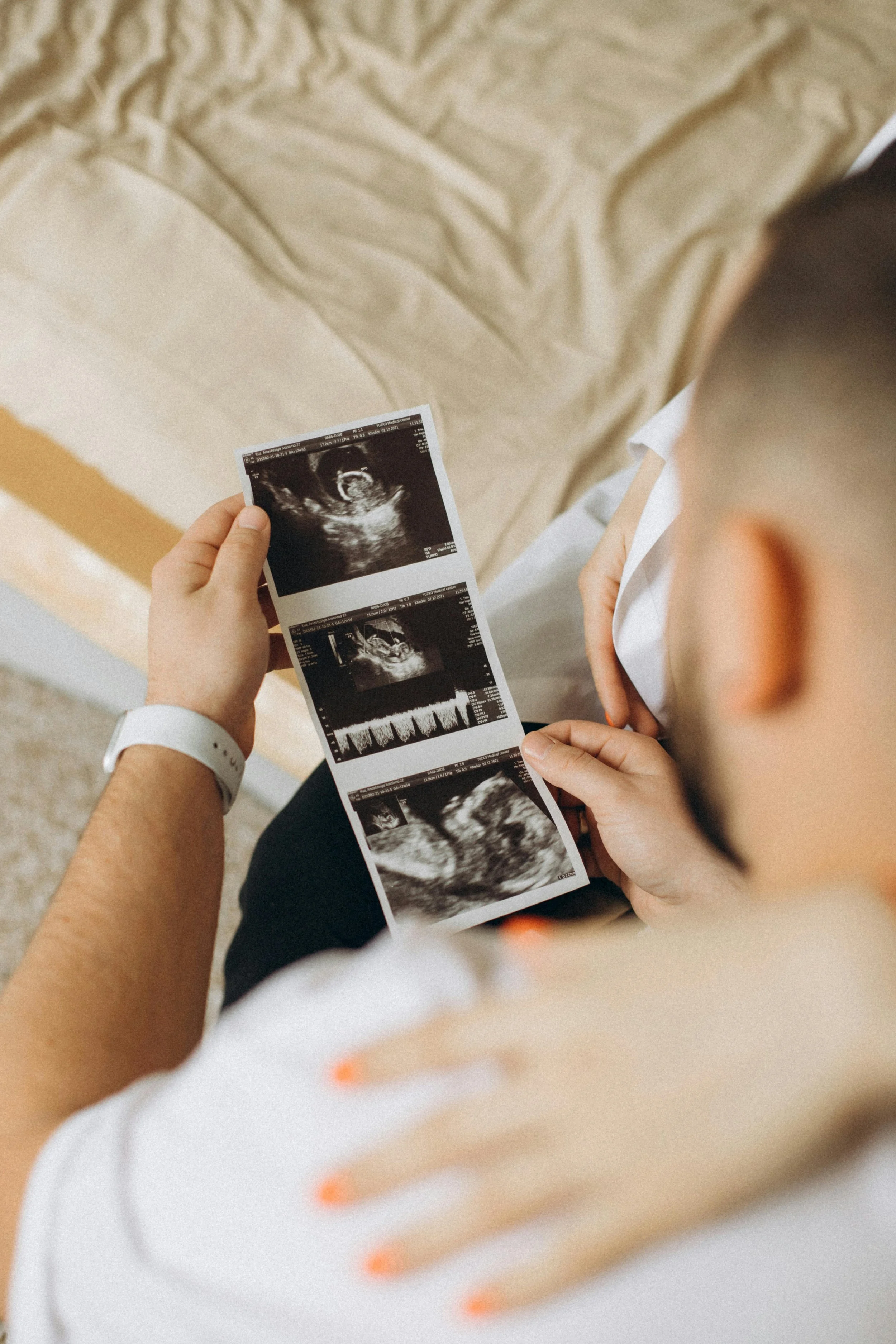
Early pregnancy brings many changes, and having simple, supportive information can make a real difference. As a midwife, I often talk with women about nutrition, early symptoms, and how to recognise when extra care is needed. This guide offers calm, practical advice to help you feel supported from the very beginning.
Eating Well in Pregnancy
Good nutrition supports your baby’s development, healthy placental function, your energy levels, and blood sugar balance. A balanced diet with regular meals helps you feel your best.
What to Include
Vegetables & fruit: Aim for a variety of colours, fresh or cooked.
Whole grains: Wholemeal bread, oats, rice, pasta for steady energy.
Protein: Lean meats, chicken, fish, eggs, legumes, tofu, nuts, seeds.
Dairy or alternatives: Milk, yoghurt, cheese, or fortified plant-based options.
Key Nutrients
Folate – supports early brain and spinal development.
Iron – helps prevent anaemia.
Iodine – essential for brain development.
Calcium – supports bones and teeth.
Your midwife or GP can guide you on supplements that suit your needs.
Helpful Eating Patterns
Small, regular meals
Include protein in meals and snacks
Adjust food choices during nausea
Drink plenty of water, milk, soups, or herbal teas
Healthy weight gain is normal. Your midwife will focus on overall wellbeing rather than numbers alone.
Morning Sickness or Something More?
Mild nausea is common in early pregnancy and usually improves after the first trimester. But sometimes symptoms are more intense.
Hyperemesis Gravidarum (HG)
Signs may include:
Persistent nausea and vomiting
Difficulty keeping food or fluids down
Dehydration (dizziness, dark urine, very little urine)
Fatigue or weight loss
If nausea affects your daily life, early professional care is important.
Strategies That May Help Mild Nausea
Small, frequent meals
Bland foods like crackers or toast
Sipping fluids often or trying ice chips
Avoiding strong smells or known triggers
Resting when needed
These strategies can help, but severe symptoms always need medical attention.
How a Midwife Can Support You
Midwives provide early, personalised care. We can:
Assess whether symptoms may indicate HG
Recommend safe medications
Monitor hydration and nutrition
Arrange blood tests or referrals
Offer emotional support and practical strategies
Seek urgent care if you cannot keep fluids down for 24 hours, show signs of dehydration, or vomiting affects your daily life.
Telehealth Midwifery Support
You can contact us via telehealth for early pregnancy advice, assessment, and management. We can discuss nutrition, supplements, nausea, test results, and arrange referrals when needed.
Our telehealth appointments are bulk billed, making early midwifery care accessible and reassuring from the very beginning.

HI, I’M TIONIE
A midwife with almost 20 years experience and a registered nurse for over 23 years.